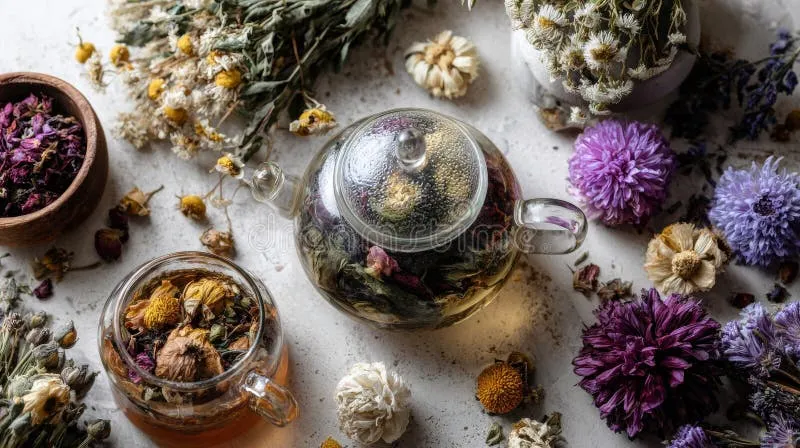
Plain Water Isn't Enough: What Your Skin Actually Needs to Stay Hydrated
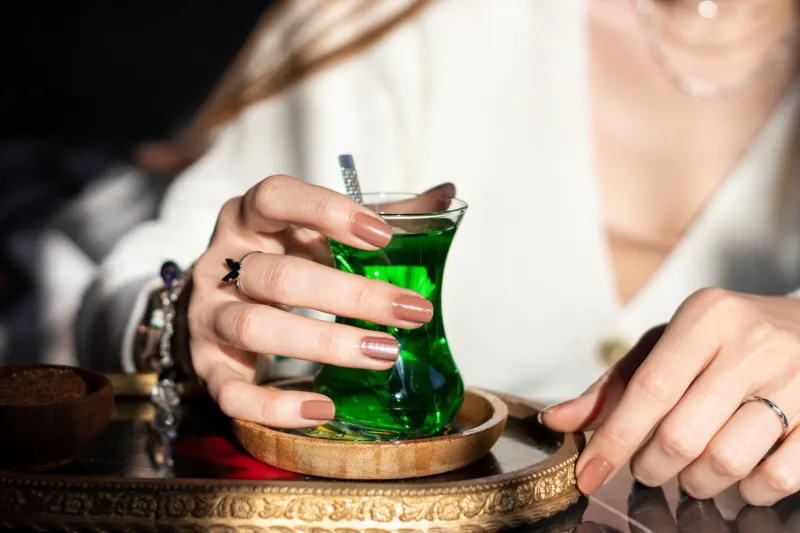
We've all heard it a thousand times. Drink more water. Clear skin starts from the inside. Eight glasses a day, no excuses. It's practically wellness gospel at this point — printed on water bottles, repeated in beauty magazines, and passed down like skincare scripture from one generation to the next.
But here's the thing: the science behind that advice is a lot murkier than it sounds. And if you've been faithfully chugging water while still dealing with dry patches, dullness, or that tight, uncomfortable feeling after washing your face — you're not imagining things. Plain water is genuinely not the full answer your skin is looking for.
Let's unpack why, and talk about what actually moves the needle.
Why Water Alone Doesn't Fix Dry Skin
Your skin is the outermost layer of your body, which means it's also the last in line when it comes to absorbing nutrients and moisture from what you drink. By the time water makes its way through your digestive system and bloodstream, very little of it ends up in the epidermis — the layer of skin you can actually see and touch.
More importantly, skin hydration isn't just about water content. It's about your skin's ability to hold onto moisture over time. That's a job handled primarily by something called the skin barrier — a complex structure made up of lipids, proteins, and natural moisturizing factors (NMFs) that act like a seal, keeping water in and irritants out. When that barrier is compromised, even perfectly hydrated skin loses moisture rapidly. Drinking more water doesn't repair that seal. It just temporarily tops off a leaky bucket.
This is why people with compromised skin barriers often feel dry no matter how much water they consume. The problem isn't intake — it's retention.
Where Tea Changes the Equation
This is where things get genuinely interesting. Certain teas — especially green, white, and oolong varieties — are packed with bioactive compounds called polyphenols, catechins, and flavonoids. These aren't just antioxidants doing their usual free-radical-fighting thing. They interact with skin at a cellular level in ways that plain water simply cannot.
Green tea, for example, contains a catechin called EGCG (epigallocatechin gallate) that has been shown in peer-reviewed studies to reduce inflammation in skin cells and support the integrity of the skin's lipid barrier. A stronger barrier means less transepidermal water loss — which is just a clinical way of saying your skin holds onto moisture better throughout the day.
White tea, harvested before the leaves fully open, retains extremely high concentrations of antioxidants. Early research suggests it may help inhibit enzymes that break down collagen and elastin, both of which contribute to that plump, dewy look we associate with well-hydrated skin.
Oolong tea sits between green and black in terms of oxidation, and it's been used in traditional Chinese medicine for skin conditions for centuries. Modern studies have explored its role in reducing oxidative stress in skin cells — stress that can degrade the very proteins responsible for keeping skin supple.
And then there's rooibos, the South African herbal favorite that's naturally caffeine-free. It contains a rare antioxidant called aspalathin and has shown anti-inflammatory properties that may support skin barrier recovery, making it a solid option for people with sensitive or reactive skin types.
It's Not Just Hydration — It's Cellular Support
Think of it this way. Drinking plain water is like watering a plant with nothing but H2O. It keeps the plant alive, but it doesn't give it the minerals, nutrients, or structural support it needs to truly thrive. Tea is more like a gentle, nutrient-rich fertilizer — it delivers water and a suite of compounds that support the biological processes your skin relies on to stay healthy.
Some of those compounds also support circulation. Better blood flow to the skin means better delivery of oxygen and nutrients to skin cells, which translates to that lit-from-within look that no amount of plain water seems to produce on its own.
A Few Practical Swaps Worth Trying
You don't have to overhaul your entire routine. Small shifts can make a real difference.
- Swap your morning glass of water for a warm cup of green or white tea. You're still hydrating, but you're adding a layer of cellular support at the same time.
- Try a cooled green tea facial rinse. Brew a cup, let it cool completely, and use it as a final rinse after cleansing. The anti-inflammatory compounds absorb directly through the skin.
- Sip oolong in the afternoon instead of reaching for a second coffee. Your adrenal system (and your skin) will likely thank you — high cortisol from excess caffeine is a known contributor to skin barrier disruption.
- Add rooibos to your evening wind-down ritual. It's caffeine-free, naturally sweet, and its anti-inflammatory properties work well as part of a nighttime recovery routine.
The Bigger Picture
None of this means you should stop drinking water. Hydration still matters — for your organs, your energy, your digestion, and yes, your skin too. But treating water as a cure-all for skin concerns is an oversimplification that leaves a lot of people frustrated and confused about why their skin isn't responding the way they expected.
The more accurate picture is this: your skin needs water and the right biochemical environment to retain and use that water effectively. Tea — particularly varieties rich in polyphenols and catechins — helps create that environment in ways that no amount of plain H2O can replicate.
At Tea Garden Salon Spa, we've always believed that what you sip shapes how you glow. This is just the science catching up to what good tea culture has known for centuries.
So the next time someone tells you to just drink more water for better skin, you can smile, take a slow sip of your green tea, and know there's a smarter way to bloom.