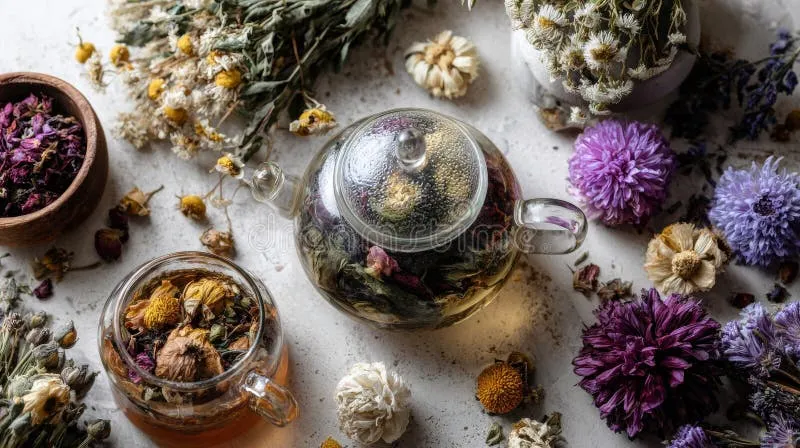
What Polyphenols Actually Do to Your Skin: The Morning Tea Habit That Dermatologists Are Quietly Endorsing

Photo by Photo by Valeriia Miller on Unsplash on Unsplash
Most of us reach for our morning tea out of habit — warmth, comfort, a gentle nudge into the day. But what if that ritual was also one of the most effective things you could do for your skin? Not in a vague, wellness-buzzword kind of way, but in a measurable, cellular-level kind of way.
Spoiler: it kind of is.
Dermatologists and researchers have been paying closer attention to the relationship between tea consumption and skin resilience, and the findings are genuinely worth talking about. Let's dig into what's actually happening beneath the surface — and how to make the most of every cup.
Your Skin Barrier: The Unsung Hero of Your Complexion
Before we get into tea, it helps to understand what we're protecting. Your skin barrier — technically called the stratum corneum — is the outermost layer of your skin. Think of it like a brick wall: skin cells are the bricks, and lipids (fats) are the mortar holding everything together.
When that barrier is healthy, your skin holds onto moisture, stays calm, and fends off irritants, pollution, and UV damage with relative ease. When it's compromised? You get dryness, sensitivity, redness, and — over time — accelerated signs of aging like fine lines and uneven texture.
Here's the thing: most of the factors that degrade your skin barrier are things we deal with every single day. Sun exposure, environmental pollutants, stress, poor sleep, even dry indoor air. Your barrier is under constant siege. The question is what you're doing to reinforce it.
Enter Polyphenols — Tea's Secret Weapon
Tea is one of the richest dietary sources of polyphenols, a broad class of plant compounds that function as powerful antioxidants. The specific polyphenols vary by tea type, but the most studied are catechins (especially EGCG, or epigallocatechin gallate), theaflavins, and thearubigins.
Here's what they actually do at the cellular level:
They neutralize free radicals. UV radiation and environmental pollutants generate unstable molecules called free radicals that damage skin cells, break down collagen, and degrade your barrier lipids. Polyphenols essentially intercept that damage before it compounds.
They reduce chronic inflammation. Low-grade, persistent inflammation is one of the primary drivers of premature aging — sometimes called "inflammaging" in dermatology research. EGCG in particular has been shown to inhibit inflammatory pathways, calming the kind of slow-burn stress that quietly ages your skin over years.
They support collagen synthesis. Some research suggests that green tea polyphenols can stimulate fibroblast activity — those are the cells responsible for producing collagen and elastin. More collagen means more structural support, which translates to firmer, more resilient skin over time.
They reinforce the lipid barrier. Certain polyphenols appear to support ceramide production, one of the key lipids in your skin barrier. Stronger ceramide levels mean better moisture retention and less transepidermal water loss (TEWL) — a major factor in dry, dull skin.
Which Teas Give You the Most Skin-Forward Benefits?
Not all teas are created equal when it comes to bioavailability — meaning how much of those beneficial compounds actually make it into your bloodstream and, eventually, your skin.
Green tea is the gold standard for EGCG content. It's minimally processed, which means its catechins remain largely intact. Studies published in journals like the Journal of Nutritional Biochemistry have repeatedly linked green tea consumption to reduced UV-induced skin damage and improved skin elasticity.
White tea is the least processed of all true teas, preserving an extremely high concentration of antioxidants. It's gentler in flavor and lower in caffeine, making it a great option if you're sensitive to stimulants but still want robust skin benefits.
Black tea undergoes full oxidation, which transforms its catechins into theaflavins and thearubigins. These compounds have their own impressive anti-inflammatory and antioxidant profiles, and research suggests they may be particularly effective at protecting against oxidative stress from air pollution — relevant for anyone living in or near a city.
Rooibos (technically an herbal infusion, not a true tea) deserves a mention here because it's rich in aspalathin and nothofagin, two antioxidants that have shown promise in protecting skin cells from UV damage in early studies. It's also naturally caffeine-free, making it an excellent evening option.
Timing Your Tea for Maximum Absorption
Here's something most people don't think about: when you drink your tea matters as much as what you drink.
Polyphenols are water-soluble, which means they absorb relatively quickly and are processed efficiently — but they're also cleared from the body within a few hours. To maintain consistent antioxidant activity in your bloodstream (and by extension, in your skin), spreading your tea intake throughout the day is more effective than drinking three cups in a row.
A few practical guidelines:
- Morning (with or shortly after breakfast): A cup of green or white tea gives your body a polyphenol head start before sun and pollution exposure ramp up.
- Early afternoon: A second cup helps maintain antioxidant levels through the midday hours when UV intensity is highest.
- Avoid drinking tea immediately with iron-rich meals: Polyphenols can bind to non-heme iron and reduce its absorption. If you take iron supplements or rely on plant-based iron sources, space your tea at least an hour away from those meals.
- Evening: Opt for rooibos or a low-caffeine white tea to keep antioxidant activity going overnight, when your skin is in its most active repair mode.
Tea as a Foundation, Not a Shortcut
It's worth being honest here: drinking tea isn't going to replace SPF, a solid moisturizer, or professional skin treatments. What it does is build a foundation — a daily, inside-out layer of protection that compounds over time.
At Tea Garden Salon Spa, this is exactly the philosophy we come back to again and again. Wellness isn't about one dramatic intervention. It's about the small, consistent rituals that add up to something real. A morning cup of green tea. An afternoon pause with something calming. An evening wind-down that signals your body it's time to restore.
Your skin is paying attention to all of it.
So the next time you're standing in your kitchen waiting for your kettle to boil, know that you're not just making a drink. You're giving your skin barrier a little backup — one sip at a time.