Sip Something Different: Underrated Teas That Are Quietly Doing a Lot for Your Body
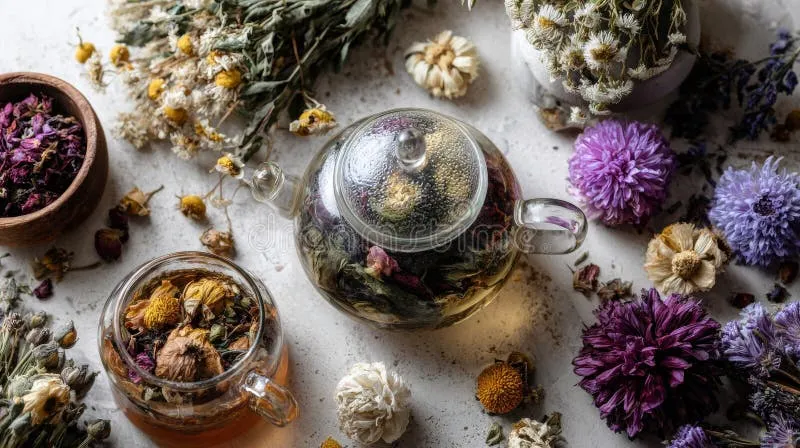
Photo: assorted herbal teas in glass cups with dried flowers and wellness ingredients flat lay, via thumbs.dreamstime.com
Time to Look Past the Usual Suspects
Walk into any grocery store in America and you'll find shelves lined with green tea and black tea. They're classics for a reason — both are well-researched, widely available, and genuinely good for you. But if those two varieties are the only ones making it into your mug, you're leaving a lot of wellness on the table.
The broader world of tea is remarkably diverse, and some of the most benefit-rich varieties are also the least talked about. At Tea Garden Salon Spa, we believe that a thoughtful cup can be as restorative as a professional treatment — especially when you're choosing the right one for your specific goals. So let's take a tour through some of the most underrated teas out there, and exactly what they can do for you.
White Tea: The Gentle Giant of Skin Health
If your skin goals include brightness, elasticity, and protection from environmental damage, white tea deserves a permanent spot in your rotation. Made from the youngest leaves and buds of the Camellia sinensis plant, white tea undergoes minimal processing — which means its natural antioxidants remain remarkably intact.
Specifically, white tea is rich in catechins and polyphenols that help neutralize free radicals, the unstable molecules responsible for collagen breakdown and premature aging. Some research suggests white tea may even outperform green tea in certain antioxidant measures, despite its lighter flavor profile.
Beyond sipping, white tea extracts are increasingly showing up in topical skincare products — and for good reason. Its anti-inflammatory properties make it a solid choice for those dealing with redness or sensitivity.
Best for: Skin brightness, anti-aging support, sensitive skin types. How to brew it: Use water around 160–170°F (not boiling) and steep for 2–3 minutes. White tea is delicate — treat it gently.
Oolong: The Middle Child with Serious Range
Oolong sits somewhere between green and black tea in terms of oxidation, and that in-between status gives it a surprisingly broad wellness profile. It's been studied for its role in weight management, blood sugar regulation, and — particularly relevant for skin lovers — reducing eczema symptoms.
A study published in the Archives of Dermatology found that participants with eczema who drank oolong tea three times daily showed significant improvement in skin condition after just one month. Researchers attributed this to oolong's unique combination of polyphenols, which appear to suppress allergic responses in the skin.
Oolong also contains L-theanine, the amino acid that promotes relaxed alertness without the jitteriness that can come with caffeine alone. It's a great option if you want mental clarity without the coffee crash.
Best for: Skin conditions like eczema, mental focus, metabolism support. How to brew it: Water around 185–205°F, steeped for 3–5 minutes. Many oolong varieties reward a second or third steep.
Rooibos: The Caffeine-Free Powerhouse
Rooibos (pronounced ROY-boss) comes from South Africa and isn't technically a "true" tea — it's an herbal tisane made from the leaves of the Aspalathus linearis plant. But don't let the technicality fool you. This earthy, slightly sweet red brew is loaded with wellness credentials.
First, it's completely caffeine-free, making it an ideal option for evening sipping or for anyone who's caffeine-sensitive. Second, it contains a rare antioxidant called aspalathin, which has been studied for its potential to reduce cortisol levels — meaning it may help regulate the stress response at a biochemical level.
For skin specifically, rooibos contains alpha hydroxy acid and zinc, both of which support skin cell renewal and can help with acne management. It also has notable anti-inflammatory properties that may soothe irritated or sun-stressed skin from the inside out.
Best for: Stress reduction, evening wind-down, acne-prone or inflamed skin, those avoiding caffeine. How to brew it: Boiling water, 5–7 minutes. Rooibos is forgiving — it won't turn bitter if you over-steep.
Chrysanthemum: Your Eyes and Digestion Will Thank You
Chrysanthemum tea is a staple in Chinese wellness traditions and has been used for centuries to address everything from eye strain to liver health. In the US, it's still relatively niche outside of Asian grocery stores and specialty tea shops — but that's starting to change as more people discover its genuinely impressive range.
The flowers are rich in beta-carotene, vitamin C, and several B vitamins. From a digestive standpoint, chrysanthemum tea has been used traditionally to cool internal heat and settle an upset stomach. Modern research is beginning to validate some of these traditional uses, with studies pointing to its anti-inflammatory and antimicrobial properties.
For those who spend long hours staring at screens (so, most of us), chrysanthemum is particularly interesting. Traditional Chinese medicine has long recommended it for eye fatigue, and some contemporary herbalists and wellness practitioners echo that application.
Best for: Digestive comfort, eye strain relief, vitamin C boost, cooling effect in hot weather. How to brew it: Steep dried chrysanthemum flowers in boiling water for 3–5 minutes. It pairs beautifully with a small amount of honey.
Passionflower: The Sleep Tea You Haven't Tried Yet
Valerian root gets all the press when it comes to sleep-supporting herbs, but passionflower tea is quietly earning its own reputation — and many people find it gentler and more pleasant to drink. A study published in Phytotherapy Research found that participants who drank a cup of passionflower tea before bed reported significantly better sleep quality compared to a placebo group.
The active compounds in passionflower, particularly flavonoids like chrysin, are thought to boost levels of gamma-aminobutyric acid (GABA) in the brain — the same neurotransmitter that prescription sleep aids target, but through a much gentler mechanism.
Given the well-documented link between poor sleep and accelerated skin aging, inflammation, and hormonal imbalance, getting consistent, quality rest is one of the most powerful beauty investments you can make. Passionflower tea might just be the easiest way to start.
Best for: Sleep quality, anxiety relief, evening relaxation rituals. How to brew it: Steep 1–2 teaspoons of dried passionflower in boiling water for 5–8 minutes. Best enjoyed 30–60 minutes before bed.
Hibiscus: Tart, Bright, and Surprisingly Potent
Hibiscus tea is hard to miss — its deep crimson color and tart, cranberry-like flavor make it one of the most visually striking brews around. But beyond its good looks, hibiscus carries a compelling wellness profile.
It's one of the highest plant-based sources of vitamin C available, which directly supports collagen synthesis and immune function. Research has also pointed to hibiscus's ability to help manage blood pressure and support healthy cholesterol levels. For skin, the anthocyanins responsible for that vivid red color double as powerful antioxidants that protect against oxidative stress.
Hibiscus is also naturally caffeine-free and delicious served iced — making it a fantastic warm-weather swap for sugary lemonades or sodas.
Best for: Collagen support, cardiovascular health, vitamin C boost, refreshing iced tea alternative. How to brew it: Steep in boiling water for 5 minutes. Sweeten lightly with honey or agave if desired.
Finding Your Cup
The beauty of the tea world is that there's something for every goal, every mood, and every time of day. You don't need to overhaul everything at once — just pick one unfamiliar variety from this list and give it a two-week run. Notice how you feel. Pay attention to your skin, your sleep, your stress levels.
At Tea Garden Salon Spa, we believe wellness is built in small, consistent rituals. And sometimes the most transformative thing you can do starts with simply reaching for a different tea.
