From Soil to Soak: How a Small Herb Garden Can Turn Your Self-Care Routine Into Something Truly Your Own
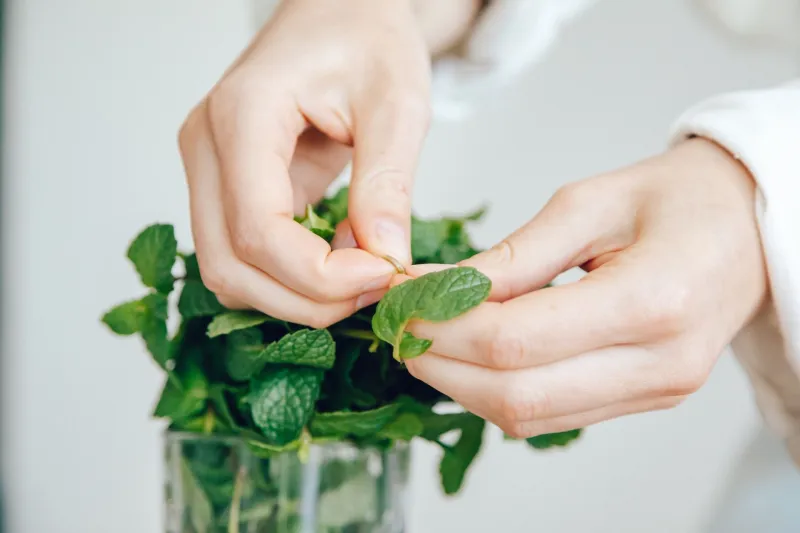
Most of us think of self-care as something we purchase — a new face mask, a fancy loose-leaf blend, a candle that smells like a forest. And there's nothing wrong with any of that. But somewhere between the Amazon cart and the checkout line, the ritual part gets a little... lost.
Growing your own herbs changes that equation entirely. When you plant something, tend it through the weeks, watch it put out new growth, and finally harvest it for a cup of tea or a homemade steam treatment, the act of self-care starts way before you ever sit down and relax. It starts in the dirt.
Why the Garden Is Part of the Practice
Here's what most wellness content skips over: the therapeutic benefits of spa rituals don't begin when you light a candle or pour the hot water. For a lot of people, they begin the moment they slow down and do something with their hands.
Gardening has been studied extensively for its effect on stress hormones. Digging in soil, watering plants, and even just being around greenery has been shown to lower cortisol levels and activate the parasympathetic nervous system — the same "rest and digest" state you're chasing during a spa treatment. So in a very real sense, tending your herb garden is the spa treatment. You're just doing it in two stages.
When you grow herbs specifically for wellness use, you also create what you might call a closed loop of intention. Every step — planting, nurturing, harvesting, brewing or blending — carries the same purpose. That continuity is something a bottle of pre-made bath salts simply can't offer.
Starting Small: What to Actually Grow
You don't need a sprawling backyard or a green thumb the size of a garden rake. A sunny windowsill, a small patio, or a few pots on a fire escape can absolutely get you started. The key is choosing herbs that pull double duty — useful in your tea cup and in your spa routine.
Lavender is the obvious starting point. It's hardy in most US climates, smells extraordinary, and works beautifully in everything from evening teas to bath soaks to facial steam. Grow it in a pot near a south-facing window if you're indoors, or in a garden bed if you've got the space.
Peppermint is practically unkillable and incredibly versatile. Steep it fresh for a cooling afternoon tea, use dried leaves in a foot soak, or add a handful to a bowl of hot water for a quick at-home facial steam that opens pores and clears the mind simultaneously.
Chamomile is a little more delicate but absolutely worth the effort. The dried flowers make one of the most calming teas in existence, and an infusion of chamomile is gentle enough to use as a skin rinse for sensitive or irritated complexions.
Lemon balm is underused and underappreciated. It has a mild citrusy scent, a calming effect when brewed as a tea, and works wonderfully in homemade facial toners or as a compress for tired, puffy eyes.
Rosemary rounds things out nicely. It's stimulating rather than sedating — great for a morning tea ritual or a scalp massage oil infusion when you want to feel awake rather than sleepy.
The Harvest Ritual
One of the most overlooked pleasures of growing your own is the harvest itself. There's a mindfulness built into the act of collecting herbs that you really can't manufacture any other way.
Make it a ritual. Go out in the morning, when the oils in the plants are most concentrated. Snip what you need with a small pair of scissors or garden shears. Take your time. Notice the smell. Feel the texture of the leaves. This is not fussiness — this is the beginning of your spa session, and your nervous system is already responding.
For immediate use, fresh herbs can go directly into a tea infusion, a steam bowl, or a warm bath. For longer storage, bundle small bunches and hang them upside down in a dry, ventilated space — a kitchen corner, a mudroom, or a linen closet all work well. Once dried, store them in glass jars away from direct sunlight.
Building a Year-Round Wellness Cycle
One of the most beautiful things about gardening for wellness is that it naturally aligns your self-care with the seasons — something that feels increasingly rare in a world where everything is available all the time.
In spring, you're planting and planning. There's something genuinely hopeful about it. In summer, you're harvesting at peak potency and using fresh herbs almost daily. Fall becomes a preservation season — drying, jarring, and preparing your wellness pantry for the colder months. And winter? That's when you live off what you grew, brewing those dried chamomile flowers and lavender bundles into slow, warming rituals that feel all the more meaningful because you made them happen.
This cycle creates a kind of wellness rhythm that commercial products can't replicate. You're not just consuming self-care — you're participating in it.
The Sustainability Angle You Didn't Expect to Care About
Growing your own spa ingredients is also, quietly, one of the most sustainable choices you can make in your wellness routine. Think about the packaging, the shipping miles, and the preservatives that go into even the most "natural" store-bought products. When you grow lavender in a pot on your porch and steep it fresh, there's no plastic, no supply chain, no ingredient list to decode.
This doesn't have to be a political statement. It can just feel good — and for a lot of people, knowing exactly where their spa ingredients came from adds a layer of trust and satisfaction that enhances the whole experience.
Making It Feel Like a Spa, Not a Chore
The mindset shift here is important. This isn't about adding another task to your to-do list. It's about reframing something you might already do — or could easily start — as an extension of your wellness practice.
Keep your herb pots somewhere you actually spend time, not hidden in a corner of the yard. A kitchen windowsill, a sunny bathroom ledge, or a small balcony arrangement puts your garden in your daily line of sight and makes the connection between garden and self-care feel seamless.
When you go to make your morning tea, grab a fresh sprig of mint or lemon balm. When you run a bath, toss in a small muslin bag of herbs you dried yourself. When you need a moment to decompress, walk outside and water your plants. Each of these moments is tiny. Together, they build something that genuinely changes how you experience your own wellness routine.
That's the tea garden effect. And once you feel it, it's hard to go back to the bottle.