Alone on Purpose: How Quiet Tea Rituals Are Rebuilding the Mental Health of Burnt-Out Americans
Somewhere between the third Slack notification and the fourth scroll through a social feed that somehow makes you feel worse, a quiet revolution is brewing. Not in a boardroom or a wellness conference — but in kitchens, sunlit corners, and cozy window seats across America. People are choosing to be alone. Deliberately. With a warm cup of tea and zero apologies.
It sounds almost too simple to matter. But therapists, researchers, and wellness practitioners are paying close attention to what's happening when people carve out intentional solo time structured around a tea ritual — and the findings are hard to ignore.
The Difference Between Lonely and Alone
Let's clear something up right away, because this distinction is everything.
Loneliness is the painful feeling of being disconnected from others — a craving for connection that goes unmet. It's associated with elevated cortisol, disrupted sleep, and a whole cascade of health consequences that researchers have compared, in severity, to smoking 15 cigarettes a day. The surgeon general's 2023 advisory on America's loneliness epidemic made national headlines for good reason.
But intentional solitude? That's a completely different animal.
"There's a meaningful psychological difference between feeling abandoned by the world and choosing to be with yourself," explains one licensed therapist who works primarily with high-achieving clients in New York and sees burnout as a near-universal presenting issue. "When solitude is chosen and structured — when there's a ritual around it — it activates a sense of agency and self-trust that chronic busyness systematically erodes."
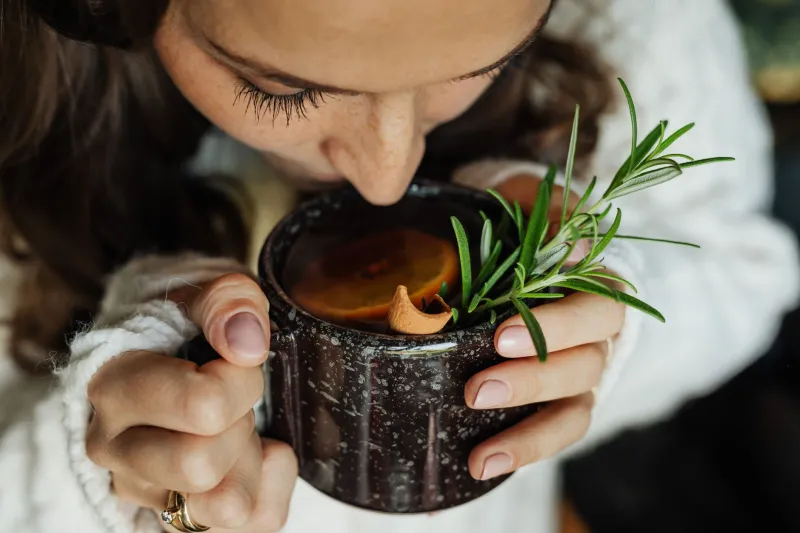
That's the key word: ritualized. A scroll through Instagram alone in bed is technically solitude, but it doesn't deliver the same psychological payoff as making a pot of chamomile, sitting somewhere intentional, and simply being present with the process.
Why Tea, Specifically?
Fair question. Why not a solo walk, a bath, or ten minutes of journaling?
All of those have merit — but tea rituals carry a particular combination of sensory and behavioral elements that make them unusually effective as a mental health anchor.
First, there's the preparation itself. Boiling water, choosing a blend, watching leaves unfurl or a bag steep — these small, sequential actions require just enough attention to interrupt anxious thought loops without demanding the kind of cognitive load that leads to more stress. Psychologists call this "soft fascination," and it's the same quality that makes walking in nature or tending a garden so restorative.
Second, warmth plays a genuinely physiological role. Studies out of Yale and the University of Colorado have found that holding something warm — literally, a warm cup — triggers feelings of interpersonal warmth and social safety in the brain. You're essentially signaling to your nervous system: we're okay here.
Third, tea culture has centuries of intentional solitude baked into it. Japanese tea ceremonies, Chinese gongfu cha, British afternoon tea as a personal pause — across cultures, tea has long been a vehicle for slowing down and turning inward. Americans are now accessing that lineage, often without even realizing it.
What's Actually Happening in Your Brain
When you sit with a cup of tea — no phone, no podcast, no background noise competing for your attention — your brain gets to do something it rarely gets to do anymore: wander productively.
Neuroscientists refer to this as default mode network (DMN) activation. The DMN is the part of your brain that lights up when you're not focused on a specific task. Far from being "idle," this network is doing critical work: processing emotions, consolidating memories, generating creative insights, and building a coherent sense of self.
Constant connectivity — the kind most of us live with — suppresses DMN activity. We're always task-switching, always inputting. The result is a kind of cognitive clutter that accumulates quietly until it shows up as irritability, decision fatigue, emotional numbness, or that vague, exhausting feeling of being simultaneously overstimulated and under-nourished.
A solo tea ritual creates a natural DMN on-ramp. The low-stimulation environment, the warmth, the gentle sensory engagement — together, they invite the brain to shift gears in a way that scrolling or even watching TV simply doesn't.
"I started recommending tea rituals to clients almost as a homework assignment," says a wellness coach based in Austin who works with people recovering from burnout. "Ten to fifteen minutes, same time each day, no devices. The feedback I get is remarkable. People start calling it 'the only time I actually feel like myself all day.'"
A Practice That Belongs to You
There's also something worth naming about ownership.
So much of modern American life is structured around performance — even self-care can slip into content creation, productivity optimization, or social comparison. A solo tea ritual, done privately and without an audience, belongs entirely to you. Nobody's grading it. Nobody needs to know about it. You don't have to do it the "right" way.
That kind of unconditional personal space is rarer than most of us admit. And its scarcity might be part of why so many people describe their tea ritual as the most genuinely restorative part of their day — not because tea is magic, but because belonging to yourself for fifteen minutes is something they almost never get to do.
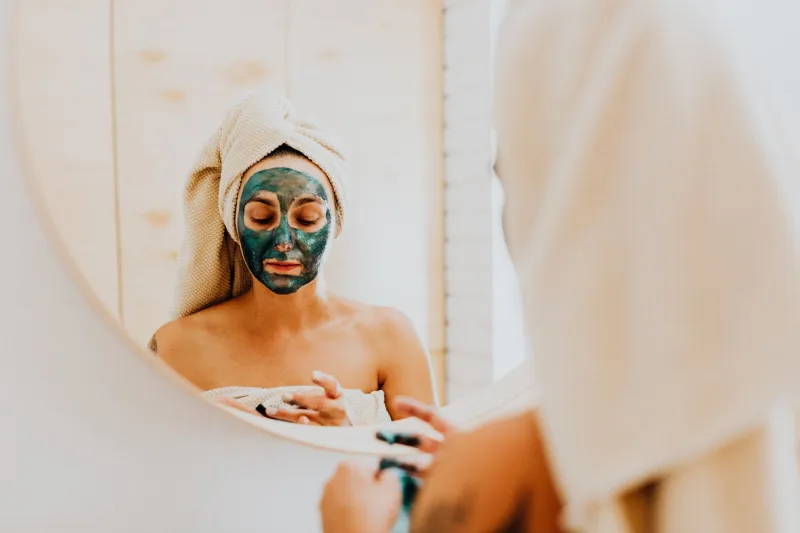
Wellness practitioners who work in spa and salon environments are noticing this shift, too. Guests increasingly arrive not just seeking a treatment, but seeking permission to be alone — with themselves, with quiet, with something warm and unhurried. The ritual of preparing and sipping tea before or after a service has become its own kind of treatment, one that sets the tone for genuine restoration rather than just temporary escape.
How to Start (Without Overthinking It)
You don't need a ceremony. You don't need special equipment. You need a cup, something to steep, and a commitment to showing up for yourself without distraction.
A few things that help:
- Choose a consistent time. Morning before the house wakes up, afternoon as a workday pause, or evening as a wind-down signal — consistency trains your nervous system to recognize this as a transition into rest mode.
- Pick a place that's just for this. A specific chair, a corner of your porch, a spot by a window. The physical anchor matters more than you'd expect.
- Let the preparation be the beginning. Don't rush to sit down. The boiling, the steeping, the choosing of a mug — let all of it count as part of the ritual.
- Resist the urge to "use" the time. You don't have to meditate, journal, plan, or reflect. You're allowed to just drink tea and exist.
The Quiet Revolution Is Already Here
Nobody's putting it on a billboard. There's no viral challenge attached to it. But across the country, people are quietly opting out of constant connectivity — one cup at a time — and finding something on the other side that feels a lot like themselves.
That's not loneliness. That's homecoming.
And it turns out, all it takes is a kettle, a few minutes, and the radical decision to be alone on purpose.