Why Your Spa Day Feels So Healing: The Science of Biophilic Design and Nature's Role in True Wellness
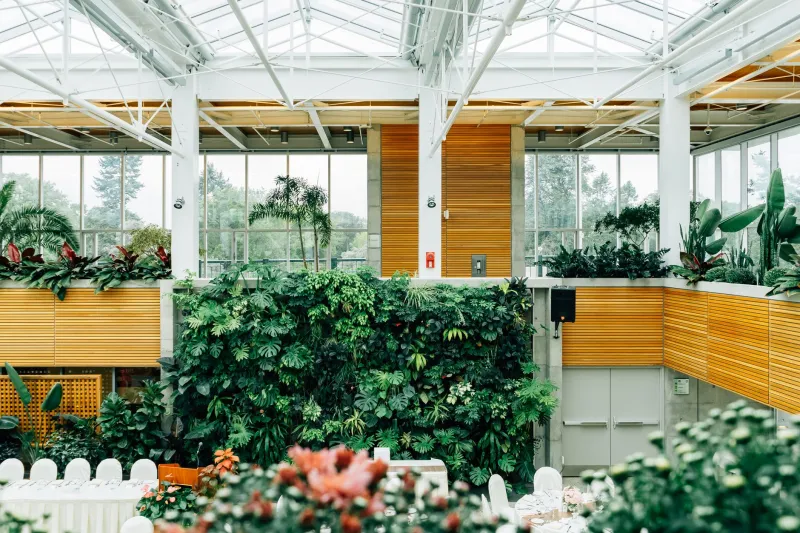
You walk in. The air smells faintly of eucalyptus and warm wood. There's soft natural light filtering through linen curtains, a small water feature trickling nearby, and potted ferns arranged just so. Before anyone has even handed you a cup of tea, your shoulders have already dropped two inches.
That's not an accident. That's biophilic design doing exactly what it was meant to do.
If you've never heard the term, don't worry — you've definitely felt the concept. Biophilic design is the intentional integration of natural elements into built environments to support human health and well-being. And in the world of spa and wellness spaces, it's becoming less of a trend and more of a foundational philosophy. Here's a look at the science behind why it works, and why your next visit to a nature-inspired spa might be doing more for you than you realize.
We're Wired for Nature — Literally
Humans didn't evolve in offices or fluorescent-lit waiting rooms. For the vast majority of our history, we lived outdoors — surrounded by trees, water, soil, and sky. The term "biophilia" was popularized by biologist E.O. Wilson in the 1980s, and it refers to the innate human tendency to seek connection with other living systems.
In plain English: we are biologically drawn to nature, and when we're deprived of it, our bodies notice.
Research consistently shows that exposure to natural elements — even simulated ones like nature sounds or images of landscapes — can lower cortisol levels, reduce heart rate, and activate the parasympathetic nervous system (the one responsible for the "rest and digest" state). When a spa thoughtfully incorporates these elements, it's essentially giving your nervous system permission to power down.
What Biophilic Design Actually Looks Like in a Wellness Space
Biophilic design isn't just about throwing a few succulents on a shelf (though honestly, that's a start). In a well-designed wellness environment, it shows up in layered, intentional ways:
Living plants and greenery. Beyond aesthetics, plants have been shown to improve air quality and reduce psychological stress. A 2015 study published in the Journal of Physiological Anthropology found that interacting with indoor plants reduced sympathetic nervous system activity — the fight-or-flight response — compared to mental tasks on a computer.
Natural light and views. Access to daylight regulates circadian rhythms and supports serotonin production. Spaces designed with large windows, skylights, or light-diffusing materials help your body sync with natural time cues, which is deeply regulating.
Water features. The sound of flowing water triggers a relaxation response that's almost immediate. It's part of why so many high-end spas include fountains, rain showers, or even small indoor streams. That gentle, rhythmic sound mimics environments our ancestors associated with safety and resource abundance.
Natural materials and textures. Stone, wood, linen, clay — these materials connect us to the earth in a tactile way. Running your hands along a smooth wooden counter or sinking into a linen robe activates sensory pathways that digital and synthetic environments simply can't replicate.
Earthy, botanical scents. Aromatherapy rooted in plant-based ingredients — think cedar, lavender, green tea, jasmine — taps into the limbic system, the brain's emotional processing center. Scent is one of the fastest routes to a felt sense of calm.
How This Connects to Your Tea Ritual
Here's where it gets especially interesting for anyone who loves a good cup of tea: the act of brewing and sipping tea is itself a form of biophilic engagement.
Tea comes from a plant — Camellia sinensis — and many herbal blends draw from dozens of botanical sources. When you hold a warm cup and inhale the steam rising from chamomile, green tea, or rose, you're connecting with the living world in a very direct, sensory way. The ritual grounds you. It slows you down. It gives your senses something real and natural to focus on.
In a spa setting, pairing a thoughtfully designed biophilic environment with a tea ritual amplifies the effect of both. The environment signals safety to your nervous system; the tea ritual gives your hands and mind something gentle to anchor to. Together, they create a kind of compound relaxation that's hard to manufacture any other way.
The Research Is Hard to Ignore
The wellness industry is increasingly paying attention to the evidence. Studies conducted in biophilically designed hospital rooms have shown faster patient recovery times. Research on office workers found that access to natural light and plants improved mood, reduced absenteeism, and boosted productivity. And in spa and wellness contexts specifically, environments with nature-forward design consistently outperform sterile, clinical spaces when it comes to guest-reported feelings of restoration and calm.
One particularly compelling framework is Attention Restoration Theory (ART), developed by psychologists Rachel and Stephen Kaplan. Their research suggests that natural environments restore our capacity for directed attention — the focused, effortful kind we use all day at work — by engaging what they call "soft fascination." Nature captivates us gently, without demanding anything. A rippling fountain, a swaying plant, dappled light on a wooden floor — these things give an overworked brain a genuine chance to recover.
Bringing Biophilic Principles Home
You don't have to wait for your next spa appointment to benefit from this. A few small shifts can bring biophilic energy into your everyday self-care routine:
- Brew your tea near a window. Natural light while you sip makes the ritual feel more restorative.
- Add a single plant to your bathroom or self-care space. Even one living thing changes the energy of a room.
- Use a wooden tray or stone coaster for your tea setup. Small natural textures matter more than you'd think.
- Open a window when you can. Fresh air and ambient outdoor sounds — birds, wind, rain — are free biophilic design.
- Choose botanical-scented candles or essential oils that evoke a garden, a forest, or a meadow.
The Bigger Picture
When you walk into a spa that feels genuinely healing — not just pretty, but actually restorative — there's a good chance biophilic design is a big part of why. The science is clear: humans heal faster, stress less, and feel more whole when we're in the presence of the natural world.
At Tea Garden Salon Spa, that philosophy runs through everything — from the botanicals in our treatments to the way we think about the spaces where you come to exhale. Because true wellness isn't just about what you put on your skin or how long you soak. It's about the whole environment you step into, and whether it gives your body and mind the cues they've been waiting for.
Nature has always been the original healer. We're just designing spaces that remember that.