Roots and Rituals: How Tending Plants While You Sip Tea Creates a Stress-Relief Loop Science Actually Backs Up
Most of us think of stress relief as a single-channel thing. You meditate. You stretch. You make a cup of chamomile and sit quietly for ten minutes. All of those work, and none of them need defending. But what researchers in horticultural therapy and environmental psychology have been quietly uncovering is that certain combinations of calming activities don't just add their benefits together — they multiply them.
Plant care and tea drinking happen to be one of those pairings.
At Tea Garden Salon Spa, our whole philosophy is built around the idea that wellness isn't just a treatment you receive — it's an atmosphere you cultivate. And it turns out that phrase is more literal than we realized.
What's Actually Happening in Your Nervous System
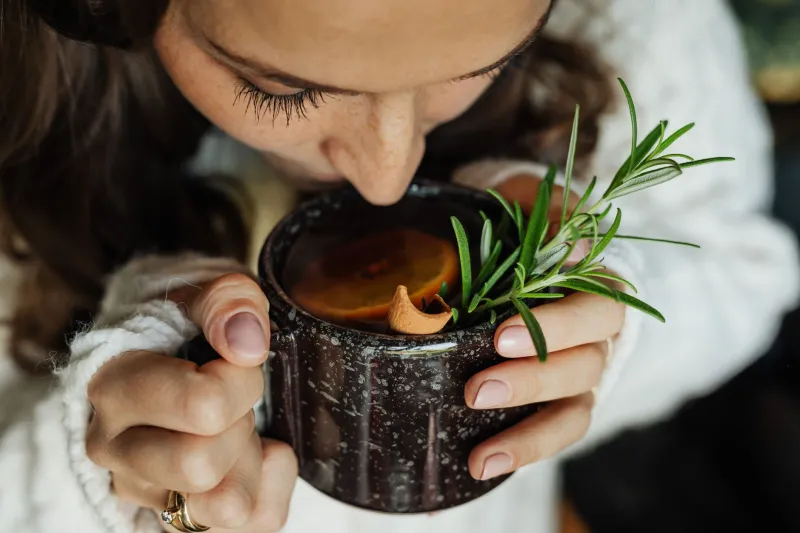
When you sit down with a cup of tea, your body starts making small adjustments. The warmth of the mug activates thermoreceptors in your palms, which are directly linked to calming signals in the autonomic nervous system. The steam carries aromatic compounds — especially in herbal and floral teas — that interact with your olfactory system and nudge your brain toward a lower-alert state. L-theanine, an amino acid found in green and white teas in particular, promotes alpha brain wave activity, the same relaxed-but-alert state associated with light meditation.
Now layer in plant care.
Studies from the Journal of Physiological Anthropology have shown that active interaction with indoor plants — touching soil, pruning leaves, watering — suppresses physiological and psychological stress responses. Participants showed measurable reductions in cortisol and reported feeling more comfortable and soothed compared to tasks done without plant contact. A separate body of research from the University of Exeter found that people who live and work around plants report up to 47% higher wellbeing scores than those in plant-free environments.
When you combine both inputs at the same time — the internal warmth and chemistry of tea with the grounding tactile experience of tending something living — you're essentially giving your nervous system two simultaneous reasons to downshift. The result is a feedback loop, not just a sum.
The Sensory Layering Effect
One of the reasons this combination works so well comes down to how many senses it engages at once without overwhelming any of them. Stress tends to narrow our sensory focus — tunnel vision, racing thoughts, shallow breathing. Rituals that gently expand sensory awareness without demanding mental effort are particularly effective at interrupting that pattern.
With a tea-and-plants pairing, you've got:
- Touch: The texture of leaves, the warmth of your mug, the feel of soil
- Smell: Herbal steam, earthy petrichor from damp soil, floral notes from blossoms
- Sight: The soft greens and varied shapes of living plants, the color of your brew
- Sound: Quiet — maybe water trickling into a pot, leaves rustling slightly
- Taste: The grounding, layered flavors of whatever you've steeped
This kind of gentle multi-sensory immersion is exactly what spas design for. The good news is you can build it at home, and the plants are doing a lot of the heavy lifting for free.
Choosing Plants That Actually Pair With Your Tea
This is where it gets genuinely fun. Rather than just picking whatever looks nice at the nursery, consider matching your indoor plants to the teas you already love. It reinforces the ritual, and in some cases the plants you're growing can even contribute to what's in your cup.
Lavender + Lavender Earl Grey or Chamomile Blends Lavender is one of the most forgiving herbs you can grow indoors near a sunny window. Its fragrance alone has documented calming effects, and having a living plant nearby while you sip a lavender-forward tea creates a beautiful olfactory echo. It's also a conversation piece that smells incredible.
Mint + Peppermint or Spearmint Tea Mint grows aggressively — almost enthusiastically — which makes it an ideal choice if you're new to plant care and need something low-stakes. Keep it in its own pot to prevent it from taking over, water it regularly, and pinch back the leaves to encourage bushy growth. The fresh scent while you sip a hot peppermint tea is genuinely invigorating.
Peace Lily + Green Tea or Jasmine Peace lilies are among NASA's top-ranked air-purifying plants, and they thrive in low-to-medium light — perfect for apartments or rooms without great sun exposure. Their elegant white blooms pair visually with the clean, delicate quality of a good green tea or jasmine blend. They also communicate clearly when they need water (they droop slightly), which makes care intuitive even for beginners.
Pothos + Oolong or Earthy Pu-erh If you're drawn to the deeper, more complex teas, pothos plants make a surprisingly fitting companion. They're practically indestructible, trail beautifully from shelves or hanging planters, and bring that lush, layered green energy that feels like a forest in miniature. They thrive in indirect light and irregular watering — genuinely hard to kill.
Aloe Vera + Rooibos or Hibiscus Aloe has a warm, slightly medicinal quality that echoes the earthy-sweet profile of rooibos. It's also useful — that gel is a solid skin soother in a pinch. Aloe needs very little water and loves bright light, making it one of the most low-maintenance options on this list.
Building Your Home Wellness Sanctuary
You don't need a lot of space or a green thumb to make this work. Start with one or two plants near wherever you naturally drink your morning or evening tea. A windowsill, a corner of your kitchen counter, a small table by your favorite chair — any of these can become a micro-sanctuary with the right elements.
Consider making the ritual intentional: when you water your plants, do it as part of your tea prep. Boil the kettle, tend the plants, steep your tea, sit down. That sequence starts to signal to your brain that a specific kind of rest is coming, which primes your relaxation response even before the first sip.
Air quality is a quiet bonus here, too. Most common houseplants contribute to improved indoor air in ways that are modest but real — and combined with the humidifying steam of a hot cup of tea, you're creating a slightly more spa-like atmosphere than a bare room provides.
The Bigger Picture
At the heart of it, what we're talking about is intentionality. The research on horticultural therapy isn't just about plants being pretty — it's about what happens when humans take care of something living, when we slow down enough to notice growth, to respond to needs other than our own, to participate in a quiet, low-stakes cycle of nurturing.
Tea has always been about that too. The ceremony, the steeping time, the waiting — it's a built-in pause in a culture that doesn't pause much.
When you bring those two things together, you're not just decorating your space. You're building the conditions for genuine restoration. And that, more than any single product or treatment, is what a real wellness practice looks like.
Sip something. Tend something. Let the loop do its work.